EQUINE WELFARE NETWORK PROFILE
Redwings Horse Sanctuary
AKA/DBA Horsepower Sanctuaries
https://www.redwingshorsesanctuary.org/
Redwings Horse Sanctuary
6875 Union Road
PASO ROBLES, CA 93446
Founded: 1991
Profile Last Updated October 16, 2026
6875 Union Road
PASO ROBLES, CA 93446
Mailing Address:
6875 Union Road
PASO ROBLES, CA 93446
Phone: 805-237-3751
MAKE AN INQUIRY
View our WEBSITE
EIN: 77-0269641Founded: 1991
Profile Last Updated October 16, 2026
Public Charity
MISSION & PROGRAMS
Mission:Eliminate the causes of equine suffering through education and community outreach programs, rescue abused and neglected equines, and provide permanent sanctuary or selected adoptive homes for those equines.
Our organization provides programs involved with equine rescue, adoption & retirement
Our organization provides outreach and/or public education programs involving horses.
100% of our total programs and services are equine-related.
The programs our organization conducts involve the direct use, care, and/or shelter of equines to fulfill our mission.
Our organization DOES NOT CURRENTLY use satellite, support, overflow, foster, and/or outreach facilities.
EQUINE WELFARE OVERVIEW: Please describe what steps your organization takes to ensure that:
1) all interactions between your equines and people are mutually beneficial and conducted in accordance with the Guidelines for Human-Equine Interactions stated below;
2) all equines in the care of our organization and/or equines that participate in the organization's program have access to clean drinking water at all times; nutritious food in sufficient quantity, including natural forage such as pasture grass and/or hay; appropriate veterinary, farrier, and dental care; shelter and protection from the weather; sufficient safe space to move around comfortably on a daily basis; and daily opportunity to freely interact and have contact with other equines:
Redwings Horse Sanctuary does not allow members of the general public to enter horse stalls, paddocks, or pastures. Instead, guests participate in guided tours led by trained docents, who ensure that all interactions are safe, respectful, and beneficial for the horses.
All Redwings staff receive extensive training in equine behavior and adhere to strict protocols designed to promote safe, positive interactions with every horse.
Before working with the horses, all volunteers must complete a required volunteer training program. Volunteers are expected to follow established handling guidelines and may only interact with horses for which they have been trained and approved. Additional training is required before volunteers may work with horses that have more specialized needs.
Each horse is assigned a handling level after arriving at the sanctuary and completing an intake evaluation. These levels are intended to protect both the horses and the people who care for them.
Level 1 (Green):
Green-level horses are calm, reliable, and enjoy human interaction. After successfully completing volunteer training, volunteers are permitted to work with these horses.
Level 2 (Yellow):
Yellow-level horses require additional volunteer training before they may be handled. This training helps volunteers understand each horse's individual needs, preferences, and sensitivities to ensure safe and positive interactions.
Level 3 (Red):
Red-level horses are restricted to trained staff only. These horses may be feral or semi-feral, prefer little or no human interaction, or exhibit behaviors that make them unsafe for inexperienced handlers. They require experienced personnel who understand their specific behavioral needs and can interact with them safely while minimizing stress.
All horses at Redwings Horse Sanctuary are evaluated daily to ensure their health, safety, and overall comfort. Staff and volunteers observe each horse throughout the day, monitoring for signs of illness, injury, lameness, changes in behavior, or any other concerns that may require attention. Any issues identified are reported promptly to the appropriate staff member for evaluation and follow-up care.
Horses are fed hay three times each day at breakfast, lunch, and dinner. Redwings primarily feeds high-quality alfalfa and orchard grass hay, with each horse's ration adjusted as needed based on age, body condition, health status, and nutritional requirements.
In addition to hay, horses receive supplemental feeds and medications once or twice daily, depending on their individual needs. Supplemental feeds may include alfalfa/oat cubes, alfalfa pellets, complete horse pellets, senior feed, rice bran pellets, and low-starch feeds formulated for horses with metabolic conditions. Feeding and medication programs are individualized to support each horse's health and well-being and are adjusted as recommended by the veterinarian and Equine Manager.
All horses housed in stalls or small paddocks are turned out for a minimum of 3–4 hours each day to ensure regular exercise and social interaction. Horses living on pasture are maintained in compatible community herds based on energy level, temperament, and nutritional or metabolic needs.
Stalls and paddocks are cleaned daily. Pastures are hand-cleaned each day around feeders, water troughs, and shelters, while the remaining pasture areas are dragged weekly to help break down manure and maintain healthy grazing conditions.
All horses are fed using feeders and are never fed directly on the ground. Horses housed in stalls have rubber mats beneath their feeders to promote cleanliness and reduce feed waste. Water troughs are conveniently located near shelters and feeding areas and are cleaned weekly to ensure access to fresh, clean water.
Most horses are on a 6–8 week farrier schedule. Horses participating in the retraining program are shod on their front feet, and horses with soundness concerns receive therapeutic shoeing as recommended by the attending veterinarian and farrier.
Vaccinations are administered annually and include Core and Flu/Rhino vaccines. Deworming is performed twice yearly, with fecal egg count testing conducted as needed to monitor the effectiveness of the deworming program. Dental examinations are performed annually by our veterinarian, with dental work completed as recommended.
Redwings works with multiple equine veterinarians, with veterinary visits occurring at least once each month. Our veterinary team provides routine wellness care, preventive medicine, diagnostics, and emergency medical services.
Two full-time staff members are dedicated exclusively to equine care. Their responsibilities include administering daily medications and nutritional supplements, grooming and bathing horses, providing hand-walking and structured exercise, and carrying out prescribed treatments and medical care.
In addition, Redwings employs four ranch hands who are responsible for feeding hay, cleaning stalls, feeders, and water troughs, as well as performing general ranch maintenance and upkeep.
Supporting our professional staff is a dedicated team of volunteers who assist with grooming, bathing, cleaning, and providing the horses with the individualized attention, care, and affection that contribute to their overall health and well-being.
EQUINE TRANSITION SERVICES
Overview of our programs involved with rescue, rehabilitation, retraining, re-homing and/or retirement:
Sanctuary Program:
At Redwings, every horse accepted into our program is promised a safe and secure future. If we are unable to find the right adoptive home, that horse will always have a home with us.
While many of our horses are available for adoption as companions, some never find the right match and spend the rest of their lives in the care of Redwings. Others arrive with health concerns, advanced age, behavioral challenges, or chronic lameness that make them better suited for permanent sanctuary. These horses are not available for adoption and remain lifelong residents of our sanctuary.
Our commitment to every horse is lifelong. Any horse adopted from Redwings can be returned to us at any time, for any reason, and we will always welcome them back. Because of this promise, approximately half of the horses in our care will spend the rest of their lives at Redwings.
We believe every horse deserves dignity, compassion, and lifelong care. We never euthanize a horse simply because we are at capacity or because of its age. Euthanasia is considered only when it is the most humane option due to irreversible quality-of-life concerns and is always made with the horse's best interests at heart.
Soundness Rehabilitation:
This program is designed for horses that arrive at the sanctuary with injuries, lameness, or other soundness concerns that require rehabilitation to improve their comfort, mobility, and long-term quality of life.
The rehabilitation process begins with a veterinary evaluation. Our veterinarian examines the horse and performs any necessary diagnostics to identify the source of the problem. Based on these findings, an individualized rehabilitation plan is developed.
Our staff carefully follows the veterinarian's recommendations, implementing a structured program tailored to the horse's specific needs. Redwings has a variety of stalls and paddocks that allow us to carefully manage each horse's activity level. As the horse progresses, we gradually increase the size of the paddock, providing more freedom of movement while ensuring the horse remains within safe rehabilitation guidelines.
Controlled exercise is an important part of recovery. Staff members hand-walk horses daily to promote healing, maintain mobility, and provide mental enrichment. Throughout the rehabilitation process, follow-up examinations are scheduled with our veterinarian to monitor progress and make any necessary adjustments to the treatment plan.
Before a horse returns to work under saddle, it must receive veterinary clearance confirming it is physically ready. Once approved, we begin a gradual conditioning program, slowly increasing the horse's workload over the course of several months until it reaches the training goals established. In some cases, our veterinarian may recommend one to two months of pasture turnout before the horse resumes training, allowing additional time for healing and recovery in a natural environment.
Nutritional Rehabilitation:
The Nutritional Rehabilitation Program is designed for horses that arrive at Redwings malnourished, emaciated, or in poor overall physical condition. Our goal is to safely restore each horse's health, body condition, and strength while minimizing the risks associated with refeeding.
Every horse begins the program with a thorough veterinary examination. During the initial evaluation, our veterinarian assesses the horse's overall health, body condition score, dental health, parasite load, and any underlying medical conditions that may have contributed to its poor condition. Based on these findings, an individualized nutritional rehabilitation plan is developed.
Redwings follows the UC Davis guidelines for refeeding the emaciated horse. Each horse is introduced to feed gradually, with careful attention paid to the type, quantity, and frequency of meals. Staff members closely monitor appetite, weight, hydration, manure production, and overall health throughout the rehabilitation process. Feed amounts are adjusted as the horse gains weight and its nutritional needs change.
Routine veterinary rechecks are scheduled to monitor progress, and additional treatments such as dental care, deworming, vaccinations, or treatment for underlying medical conditions are provided as needed. As the horse regains a healthy body condition and strength, turnout and exercise are gradually introduced based on the veterinarian's recommendations.
Behavioral Rehabilitation:
The Behavioral Rehabilitation Program is designed for feral, semi-feral, or extremely difficult to handle horses that require patient, consistent training to safely interact with people. Our goal is to help each horse build confidence, reduce fear, and develop the skills needed to live safely and comfortably under human care.
Every horse is evaluated upon arrival to determine its level of handling, previous experiences, temperament, and individual behavioral challenges. From this assessment, staff develop a training plan that progresses at the horse's pace while prioritizing safety for both the horse and handlers.
Training focuses on building trust through calm, consistent interactions and positive experiences. Horses learn essential handling skills such as accepting a halter, leading, standing quietly for grooming, picking up their feet, and receiving routine veterinary and farrier care. Training sessions are kept short and consistent to encourage learning while minimizing stress.
Throughout the rehabilitation process, staff carefully monitor each horse's physical and emotional well-being, adjusting the training plan as needed to support continued success. Our commitment is to provide every horse with the time, understanding, and compassionate care needed to help it reach its full potential.
Retraining/Adoption Program:
Redwings established its Retraining Program in 2014 to prepare retired racehorses for successful second careers, increasing their adoptability and long-term success in new homes. Since its inception, the program has successfully retrained and placed numerous horses with carefully selected adopters.
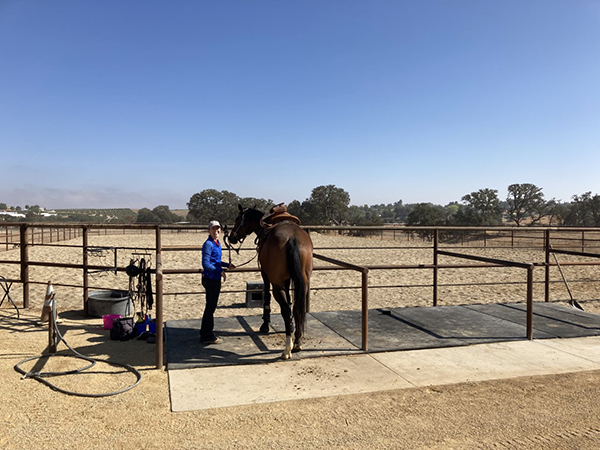
Most horses are retrained onsite by Redwings staff and selected volunteers. Our facility includes a large riding arena and round pen specifically designed for training and evaluation. We also maintain funding within our budget for professional outside training when necessary. Horses that are unbroke are sent to qualified outside trainers and are not restarted onsite.
Each horse begins the retraining process with foundational groundwork and round pen exercises. During this stage, horses learn essential skills such as standing quietly while tied and cross tied and remaining calm and still at the mounting block. Once a horse demonstrates confidence, responsiveness, and good manners on the ground, training progresses to work under saddle.
Our goal is to develop a well-rounded riding prospect with a solid foundation that allows adopters to continue training in the discipline of their choice. Horses are ridden in both English and Western tack, and as they progress, they are introduced to riding outside the arena on the roads surrounding the sanctuary to build confidence in different environments.
Redwings offers both riding prospects and companion horses for adoption. Our adoption program is carefully designed to ensure that each horse is matched with the most suitable home. During the first year after adoption, adopters are required to submit monthly progress reports so we can monitor each horse's adjustment and success. We also require adopters to permit onsite follow-up visits after the horse has been placed.
Adoption fees are based on each horse's abilities and any riding limitations:
• Horses with no riding limitations that are suitable as sport or pleasure prospects: $1,200
• Horses with specific riding limitations outlined in their adoption contract: $500–$1,000
• Horses approved as companion-only animals: Fee waived
Redwings maintains a strict no-resale policy. If an adopter is ever unable to care for their horse, the horse must be returned to Redwings rather than sold or transferred to another owner.
The adoption process begins with the submission of an adoption application. Once approved, applicants are invited to meet the horse or horses they are interested in. Before any prospective adopter rides a horse, a Redwings staff member rides the horse first to confirm that it is sound and appropriate for the adopter to try under saddle. Applicants may then ride the horse themselves. For everyone's safety, all riders are required to wear an approved riding helmet and appropriate footwear while at the sanctuary.
If both the horse and applicant appear to be a good match, Redwings conducts a home inspection to ensure the environment is safe and suitable. When feasible, inspections are completed in person. If the home is located too far from the sanctuary, applicants may complete the inspection through a live FaceTime video tour or by submitting photographs and videos of the property.
The home inspection evaluates several important factors, including the condition of any resident horses, the quality and storage of feed, availability of clean water, access to adequate shelter, fencing type and condition, and any potential safety hazards.
To help ensure a smooth transition and long-term success, Redwings strongly recommends that adopters work with a qualified trainer for the first 30 to 90 days after bringing their new horse home.
Information about our programs is available on our website. On our mission page information about our programs is available. On the meet the horses pages, at the top above the horses is a paragraph explaining our definitions of Companion horse, riding prospect or permanent resident.
Outreach and/or Public Education:
Redwings offers a diverse range of community outreach and educational programs designed to connect people with horses, promote responsible equine care, and increase awareness of equine welfare. Through both onsite programs and outreach throughout the community, Redwings provides opportunities for people of all ages and abilities to learn about horses and become involved in our mission.
At our facility, Redwings offers educational tours to the public five days each week. We also have a successful volunteer program that welcomes community members to spend time with the horses, learn about equine care and welfare, and actively participate in our mission. Specialized educational tours are available for children’s groups, including 4-H clubs, Girl Scouts, school field trips, and other youth organizations. These programs provide hands-on opportunities for children to safely interact with horses while learning about their care, needs, and the importance of responsible horse ownership.
Redwings is committed to making these experiences accessible to diverse populations within our community. Through our partnership with the STEPS program, young adults with disabilities visit Redwings to interact with the horses and experience the educational benefits of connecting with animals. We also welcome residents from local senior care facilities, providing opportunities for seniors to spend time with the horses and enjoy meaningful interactions in a peaceful and engaging environment.
Our outreach extends beyond the Redwings property. Staff and representatives regularly speak to community organizations, including Rotary, Kiwanis, Elks, Women in Business, and local Chambers of Commerce. These presentations help educate the general public about equine welfare, the causes of equine suffering, and the important role that sanctuaries play in protecting vulnerable horses.
Each year, Redwings participates in the Great AgVenture, an outstanding community agricultural education event held at the local fairgrounds. Fourth-grade classes from schools throughout the northern part of the county are invited to attend and learn about different aspects of agriculture. Redwings teaches students about equine care, why equine sanctuaries are needed, and what individuals can do to help prevent equine suffering. Our equine ambassadors attend the event as well, giving students the opportunity to interact directly with horses and further connect what they are learning with real-life experiences.
Redwings also uses its quarterly newsletter as an important educational outreach tool. Each newsletter contains articles and information focused on equine care, welfare, and responsible horse ownership. The newsletters are mailed four times each year to a mailing list of more than 13,000 homes, allowing Redwings to reach a broad audience well beyond those who visit the sanctuary in person.
Together, these programs allow Redwings to engage thousands of community members each year through education, volunteerism, partnerships, public speaking, youth programs, senior activities, and direct interaction with horses. By bringing people and horses together, Redwings not only provides meaningful experiences but also builds greater understanding of equine welfare and inspires members of the community to become part of the solution to equine suffering.
Research/Medical Use of Equines:
Our organization has made equines available for research studies or medical training.
Please explain where and for what purpose equines are/were provided to use in research or medical training.
Redwings does not currently offer any programs in which horses are used for medical training. Redwings has never conducted or offered any training, research, or educational activities that cause pain, suffering, or undue stress to its equines. The health, welfare, and emotional well-being of every horse are the organization's highest priorities. All programs and activities involving horses are carefully designed and supervised to ensure they promote positive experiences while minimizing stress and supporting each horse's physical and behavioral needs.
In the past, Redwings partnered with Carrington College to provide hands-on training for students enrolled in its Registered Veterinary Technician (RVT) program. The program was supervised by the Redwings veterinarian, the Equine Care Manager, and two instructors from Carrington College. Under close supervision, students learned essential veterinary skills, including administering vaccinations, applying leg wraps, taking radiographs (X-rays), and performing routine health and wellness examinations.
Throughout the program, the welfare of our horses was the highest priority. Training sessions were carefully managed to minimize stress, and horses were monitored closely to ensure they remained comfortable. Many of the participating horses appeared to enjoy the additional attention and enrichment provided by the students. The program was discontinued during the COVID-19 pandemic and has not been reinstated.
Redwings also partnered with Fort Hunter Liggett to provide basic horse-handling training for U.S. Army soldiers preparing for deployment. The purpose of the program was to develop practical animal-handling skills that could be used to assist local communities in areas where soldiers might encounter working equines during their deployments. This training was overseen by the Redwings veterinarian and at least one licensed U.S. Army veterinarian, ensuring that both participant safety and horse welfare were maintained throughout the program. This program was discontinued when the sanctuary was moved to Paso Robles in 2021.
Religious Affiliation:
Our organization does not promote religious education, religious purposes, or a specific religious faith or use donations for religious education or religious purposes; require participants to be of a certain faith; require participation in religious, instruction, activities or services; or require participation in prayer, worship, religious instruction or other religious activities as a condition of receiving social or secular services offered.
Auction Donation:
Our organization has never allowed, or would not consider allowing, an equine to be sold, transferred, released, or otherwise placed into possession of any person or organization that would cause or allow the equine to be sold at auction for slaughter.
POLICIES: INTAKE, ASSESSMENT & TRAINING
Prior to a horse being accepted and/or arriving at the facility, the organization has the following policies in place:The owner completes an application/contract which constitutes the agreement between the owner and our organization when the equine is acquired from the equine's owner other than by seizure or by abandonment
If health records are not available or are out-of-date, the veterinarian or a trained staff member under the direction of the veterinarian will administer appropriate vaccinations
Not Checked:
A health certificate signed by a veterinarian and dated no more than seven days prior to arrival is provided to our organization either prior to or upon arrival of the equine attesting to the health status of the equine
A health certificate signed by a veterinarian and dated no more than seven days prior to arrival is provided to our organization either prior to or upon arrival of the equine attesting to the health status of the equine
Upon intake, the organization has the following quarantine policy in place:
The equine is confined to a designated and separate area for isolation and quarantine at the facility for a prescribed period of time
Not Checked:
The equine is confined to a designated and separate area for isolation and quarantine off-site for a prescribed period of time
The equine is not quarantined
The equine is confined to a designated and separate area for isolation and quarantine off-site for a prescribed period of time
The equine is not quarantined
The typical length of quarantine is: 20 to 30 days
Following arrival of the equine at the facility, the following is performed:
A physical examination to include temperature, pulse and respiration is conducted by a trained staff member
A Henneke Body Conditioning Score or other body conditioning score is assigned by a trained staff member following arrival
Photographs are taken of each equine following arrival at the facility and kept with the equine's health records
An examination of hoof health is conducted by a farrier
An examination of dental health is conducted by a dentist or veterinarian
Not Checked:
A physical examination to include temperature, pulse and respiration is conducted by the veterinarian
A Henneke Body Conditioning Score or other body conditioning score is assigned by a veterinarian
The equine is microchipped if the organization has the authority to microchip the equine and the equine has not been microchipped
Additional information about our intake policies and practices:
Horses are accepted at Redwings Horse Sanctuary on a case-by-case basis. The first step for anyone interested in placing a horse with Redwings is to submit an Application for Sanctuary. The Equine Manager reviews each application to determine whether the horse aligns with our mission and admission criteria. If the horse is considered a good fit and space is available, the Board of Directors will vote on whether to accept the horse.
Redwings gives priority to horses that have been abused, abandoned, or neglected, as well as Thoroughbreds retiring from the racetrack. Owner surrenders are accepted only in limited circumstances. We will consider these horses if space is available and we believe the horse is at risk of becoming abused, abandoned, or neglected.
Redwings does not accept stallions. Any stallion approved for admission must be castrated before arriving at the sanctuary. Young stud colts may be accepted if they are castrated immediately upon arrival and are not exhibiting significant stallion behaviors.
Upon arrival, every new horse is required to complete a 21-day quarantine period. Our quarantine facility is separated from all other paddocks and pastures by at least 50 feet of open space to help protect the resident herd from the spread of disease. The facility includes a four-stall mare motel with an attached small turnout paddock.
If a newly admitted horse has any apparent health or soundness concerns, our veterinarian will be contacted immediately to perform an evaluation. Throughout the quarantine period, staff monitor the horse closely for signs of illness, injury, or other health concerns. During this time, we also begin evaluating the horse's temperament and behavior to help determine the most appropriate pasture or barn placement after quarantine.
Before a horse may be released from quarantine and introduced into a community pasture or barn, it must have completed the full 21-day quarantine period, be vaccinated and dewormed according to Redwings' health protocols, and be free of any contagious illnesses or other health concerns that could jeopardize the well-being of the sanctuary's herd.
Our organization has the following policies and procedures in place pertaining to the ongoing assessment of horses in its care:
The Henneke Body Condition score or other body conditioning score is updated at least annually by a trained staff member
Vaccinations are administered by the veterinarian at least annually, or with the veterinarian's approval, vaccinations are administered by a trained staff member at least annually
Photographs are taken of each equine annually and kept with the equine's health records
Equines at our facility may be treated by an:
Equine chiropractor
Equine acupuncturist
Equine massage therapist
Not Checked:
A physical examination is conducted by the veterinarian at least annually
The Henneke Body Condition score or other body conditioning score is updated at least annually by the veterinarian
Equines at our facility may be treated by: Equine nutritionist
A physical examination is conducted by the veterinarian at least annually
The Henneke Body Condition score or other body conditioning score is updated at least annually by the veterinarian
Equines at our facility may be treated by: Equine nutritionist
The organization has a procedure in place to assess equines for the following skills and behaviors:
Retrieval from a pasture/paddock
Leading with a halter and lead rope
Temperament, disposition and attitude, such as rated from very calm to very high spirited
Saddling
Bridling
Lunging
Loading onto and unloading off a trailer
Mounting and dismounting
Riding at the walk
Riding at the trot
Riding at the canter
Riding by a beginner and/or unbalanced rider
Tolerance to unusual objects and loud noises
Known vices, i.e., cribbing, biting, kicking, weaving, stall walking, etc
Grooming
Bathing
Tolerance to multiple handlers at the same time
Not Checked:
Jumping
Driving (Pulling a carriage)
Clipping
Jumping
Driving (Pulling a carriage)
Clipping
Our organization has the following policies and procedures in place pertaining to the weight-carrying or workload capabilities of any horse/equine that is ridden in our care, including training:
Our organization evaluates the weight-carrying and workload limitations for each equine that is ridden at least annually and maintains a written record for each equine that is ridden that documents the results of each evaluation of the equine's weight-carrying and workload limitations
Not Checked:
Our organization does not evaluate the weight-carrying and workload limitations for each equine that is ridden
No equines are ridden; not applicable
Our organization does not evaluate the weight-carrying and workload limitations for each equine that is ridden
No equines are ridden; not applicable
The following variables are considered in determining the weight-carrying and workload limitations for each equine that is ridden:
Equine age, weight, breed, body condition, fitness, balance, health and soundness
Equine conformation to include the top line, length of back, strength and width of loin, bone density (measured by the circumference of the cannon bone just below the knee)
Size, shape, condition and angle of the hooves
Participant weight, height, body proportions, balance, fitness and riding skills as well as behavioral issues and safety concerns
Weight and proper fit of the saddle and other equipment
Terrain and footing in the working environment
Duration and frequency of working sessions, as the frequency with which an equine is subjected to maximum weight carrying and/or workload
Nature and pace of work, repetitive or varied, radius of turns, degree of incline and regularity of footing when equine is subject to maximum weight-carrying capacity
Temperature and/or weather conditions
Not Checked:
Seasonal impact on the equines' workload and weight-carrying capabilities and limitations
Our organization does not evaluate the weight-carrying and workload limitations for each equine that is ridden
No equines are ridden; not applicable
Seasonal impact on the equines' workload and weight-carrying capabilities and limitations
Our organization does not evaluate the weight-carrying and workload limitations for each equine that is ridden
No equines are ridden; not applicable
Horses provided formal training (groundwork or riding): 2-3 times per week
Additional information about our assessment & training policies and practices:
Redwings established its Retraining Program in 2014 to prepare retired racehorses for successful second careers, increasing their adoptability and long-term success in new homes. Since its inception, the program has successfully retrained and placed numerous horses with carefully selected adopters. Most horses are retrained onsite by Redwings staff and selected volunteers. Our facility includes a large riding arena and round pen specifically designed for training and evaluation. We also maintain funding within our budget for professional outside training when necessary. Horses that are unbroke are sent to qualified outside trainers and are not restarted onsite. Each horse begins the retraining process with foundational groundwork and round pen exercises. During this stage, horses learn essential skills such as standing quietly while tied and cross tied and remaining calm and still at the mounting block. Once a horse demonstrates confidence, responsiveness, and good manners on the ground, training progresses to work under saddle. Our goal is to develop a well-rounded riding prospect with a solid foundation that allows adopters to continue training in the discipline of their choice. Horses are ridden in both English and Western tack, and as they progress, they are introduced to riding outside the arena on the roads surrounding the sanctuary to build confidence in different environments.
POLICIES: BREEDING
The organization has the following policies related to breeding and stallions:Our organization does not conduct breeding of equines owned or under the care of our organization.
The main facility where our organization conducts its programs does NOT breed equines.
Not Checked:
One or more of the facilities where our organization conducts its programs, including support facilities, breeds equines
One or more of the facilities where our organization conducts its programs, including support facilities, are permitted to house stallions
One or more of the facilities where our organization conducts its programs, including support facilities, breeds equines
One or more of the facilities where our organization conducts its programs, including support facilities, are permitted to house stallions
Additional information about our breeding policies and practices:
Redwings does not permit the breeding of equines. Any foals born at the sanctuary are the result of mares that were already pregnant at the time of their rescue.
All mares adopted from Redwings are subject to a strict no-breeding clause in their adoption paperwork.
Redwings rarely accepts stallions. When a stallion is accepted, Redwings prefers that he be castrated prior to arrival at the sanctuary. If castration prior to arrival is not possible, the stallion must be castrated as soon as the attending veterinarian determines that he is healthy enough to safely undergo the procedure.
POLICIES: EUTHANASIA
The organization has the following policies related to euthanasia:Our organization follows the euthanasia guidelines of our veterinarian and/or AAEP's Euthanasia Guidelines
Our organization will never have an equine euthanized for space
Our organization will have an equine euthanized upon the recommendation of the veterinarian if the equine is a threat to itself, other equines, or people
Our organization will have an equine euthanized upon the recommendation of the veterinarian after all reasonable treatment options have been explored
Disposal of the carcass is handled in accordance with local guidelines
Not Checked:
Our organization will never have an equine euthanized under any circumstances
Our organization will never have an equine euthanized under any circumstances
The following are authorized to administer the procedure for your organization in accordance with state laws:
Veterinarian
Not Checked:
A certified euthanasia technician
Senior staff with appropriate training
Employee of animal control shelter or humane society with appropriate training
Veterinary student under the supervision of a licensed veterinarian
Not applicable. Our organization prohibits euthanasia under any circumstances
A certified euthanasia technician
Senior staff with appropriate training
Employee of animal control shelter or humane society with appropriate training
Veterinary student under the supervision of a licensed veterinarian
Not applicable. Our organization prohibits euthanasia under any circumstances
Additional information about our euthanasia policies and practices:
At Redwings the quality of an animal’s life is the most important consideration when determining if Euthanasia is appropriate. If the Equine Care Supervisor determines that an animal’s quality of life is in jeopardy, he or she will make the decision to call out a veterinarian. If that licensed veterinarian agrees that the animal no longer has quality of life and prognosis for improvement is slim or none then the animal will be approved for Euthanasia.
Acceptable reasons for Euthanasia are the following:
• Catastrophic Injury
• Severe Illness
• Chronic or incurable conditions
• Inability to maintain condition or chronic discomfort due to age or illness
The animal will only be euthanized as an act of mercy to end an animal’s suffering.
The acceptable method of euthanasia is:
• Lidocaine hydrochloride 2% (intrathecal) with the horse in a surgical plane of general anesthesia
• Barbiturate overdose by intravenous administration
Remains will be disposed of at Chicago Grade Landfill
POLICIES: RE-HOMING
View Re-homing AgreementOur organization has the following re-homing (adoption/purchase) policies and procedures in place:
All potential adopters/purchasers complete a written contract which constitutes the agreement between our organization and the new owner
Our organization will only re-home an equine to a location where another equine resides
Potential adopters/purchasers must visit our organization and be observed with the equine on site
The distance of a potential adopter/purchaser's home from our facility is a consideration for when re-homing an equine
Our organization conducts a site visit of the adopter/purchaser's facility before the transfer of the equine to the adopter/purchaser's facility
Not Checked:
Our organization does NOT re-home an equine to first time equine owners
Potential adopters/purchasers are encouraged to do a short-term, on-site foster with the equine
Adopters/purchasers are NOT required to provide updates
The organization ensures that all equines, for which they have the authority to microchip, are microchipped prior to the adoption and/or transfer of the equine.
Our organization has the following policies and procedures related to horses that need to be retired, are no longer able to contribute to the mission of the organization, and/or are no longer manageable:
Equines may remain at our organization for their lifetimes
Equines may be found suitable homes by our organization
In the case an equine is unmanageable and demonstrates repeated dangerous behaviors, the equine may be euthanized upon the recommendation of the veterinarian
In the case an equine is unsound and/or unhealthy and cannot be treated to relieve suffering, the equine may be euthanized upon the recommendation of the veterinarian
The organization has a practice in place and the financial means to accept financial responsibility for equines in the current care of the organization should space not be available for the equine to remain at the organization and all alternatives have been explored to find the equine an appropriate placement, including those that need to be retired or are no longer able to contribute to the mission of the organization.
Not Checked:
Equines may be returned to their owners
Equines may be sent to auction
If a suitable home cannot be located within 12 months, the equine may be euthanized
Equines may be returned to their owners
Equines may be sent to auction
If a suitable home cannot be located within 12 months, the equine may be euthanized
The uploaded Re-homing agreement includes the following re-homing (adoption/purchase) statements:
The agreement reflects that any individual or organization in possession of the equine as of the date of the agreement and any time thereafter is bound to not sell the equine at auction for slaughter or allow the equine to be sold, transferred, released, or otherwise placed into possession of any person or organization that will cause or allow the equine to be sold at auction for slaughter.
The agreement states that should the adopter decide to re-home the equine, the adopter must grant the organization first right of refusal prior to the equine being placed into the possession of any individual or organization intending to take possession of the equine for any reason.
The agreement states that should the adopter decide to re-home the equine, our organization must grant approval of any individual or organization intending to take possession of the equine for any reason prior to the equine being placed into the possession of such individual or organization, including being provided written notification of the name, address, and telephone number of any individual or organization intending to take possession of the equine for any reason.
The agreement states that if there is any breach of contract the equine must be returned to our organization
The agreement states that adopters/purchasers can return an equine to our organization
The agreement states that adopters/purchasers are required to provide updates (photos, vet records) for one year
Not Checked:
The agreement states that the re-homed equine CANNOT be sold, adopted, transferred, auctioned, released, given away, or otherwise placed into the possession of another individual or organization under any circumstances and must be returned to our organization should the adopter decide that he/she is no longer able, or no longer wishes, to care for the equine.
The agreement states that should the adopter decide to re-home the equine, our organization must be notified of the name, address, and telephone number of any individual or organization intending to take possession of the equine for any reason prior to the equine being placed into the possession of such individual or organization.
The agreement states that the terms of our organization's agreement will be binding on any future individual or organization taking and/or in possession of the equine for any reason.
The agreement states that re-homed equines cannot be bred
The agreement states that our organization reserves the right to make unannounced visits
The agreement states that our organization reserves the right to make scheduled visits
The agreement states that adopters/purchasers are required to provide updates (photos, vet records) for two years
The agreement includes the microchip number of the equine.
The agreement states that adopters/purchasers are required to provide updates (photos, vet records) for as long as the adopter/purchaser is responsible for the care of the equine
None of the statements are included.
The organization does not re-home equines under any circumstances; our organization retains custody of our equines and ensures care of the equines for their lifetimes.
Our organization does not have the authority to transfer ownership and/or does not own any of the equines involved with our programs.
Our organization requires references from the following:
Veterinarian
Farrier
Personal/Other
Not Checked:
Not applicable or no references required.
Not applicable or no references required.
Transfer of ownership occurs: Immediately (at the time of adoption/purchase) or less than one year
The average equine re-homing (adoption/purchase) fee received by your organization:
$751 to $1,000
Additional information about our rehoming policies and practices:
Redwings requires adopters to return their horses to the organization if they are no longer able to care for them. The horse can be returned at anytime for any reason throughout their life. There is a strict no resale policy and no breeding policy.
Redwings conducts up to 4 home visits during the first year after adoption and requires monthly photos and reports. After the first year the adopter must then check in annually with photos and updates.
EQUINE CARE & SHELTER/FACILITY INFORMATION
Our organization DOES NOT CURRENTLY use satellite, support, overflow, foster, and/or outreach facilities.Total facilities at which our organization cares for and shelters horses used in our programs: 1
Redwings Horse Sanctuary
6875 Union Road PASO ROBLES CA 93446
Currently operational
Total number of horses/equines currently involved with your programs, under your care, and/or owned by your organization at this facility: 87
Total number of horses at this facility NOT INCLUDING those counted above: 0
Maximum capacity of horses at this facility: 95
Does your organization own, lease or use a part of this facility? Own
Provide the contact information for the individual or organization responsible for investigating abuse in the county where the facility is located, including mailing address, email address, and phone information.
SLO County Animal Services handles animal welfare investigations in San Luis Obispo County. Animal Services 885 Oklahoma Ave San Luis Obispo, CA 93405 805-781-4400
Does your organization conduct Equine Assisted Services (EAS) at this facility in accordance with the EQUUS Foundation Guidelines on Qualifications of Organizations Conducting Equine Assisted Services (EAS)? No
Veterinarian Information: Redwings Horse Sanctuary (*Main) Currently operational
Veterinarian: Dr Michael Lyon
Clinic Name: Large Animal Practice
2245 Cimmaron Way
Los Osos CA 93402
Phone: 805-528-0961
Grounds: Redwings Horse Sanctuary (*Main) Currently operational
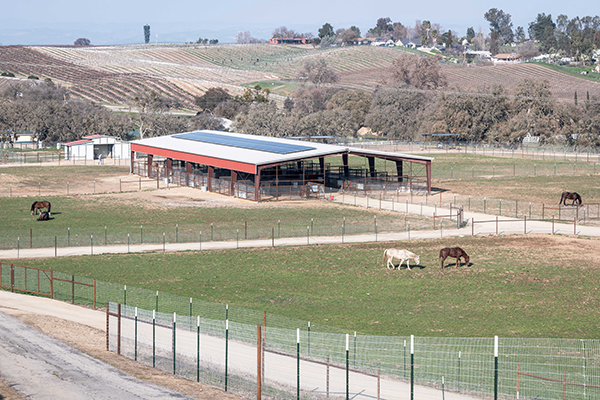
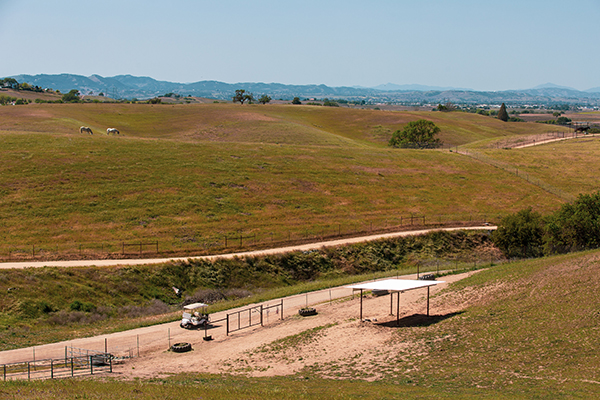
Total acreage dedicated specifically to the horses: 140
Our organization has use of the following at this facility:
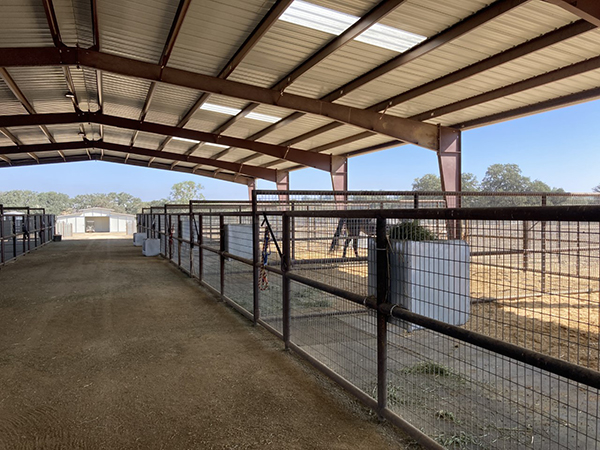
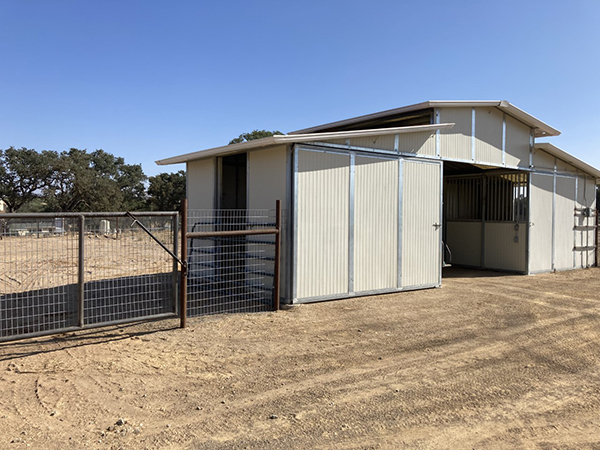
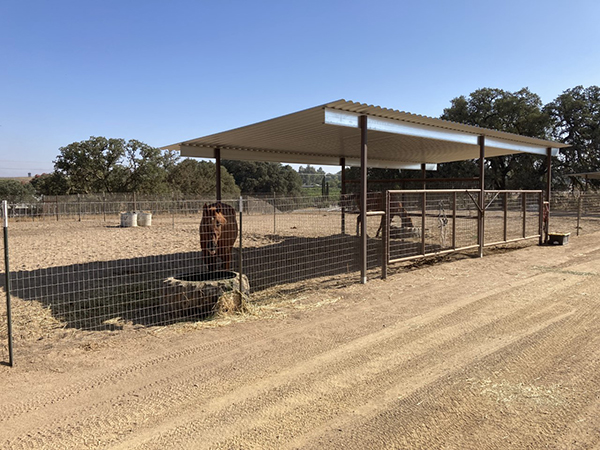
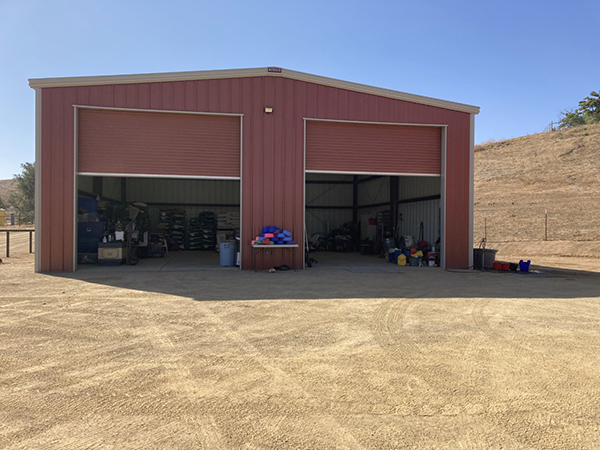
Structures/Barns: 4 Run-in sheds: 0
Pastures: 15 Paddocks/Pens/Turnout Areas: 7
Uncovered Outdoor Rings: 2 Covered Outdoor Rings: 0 Indoor Rings: 0
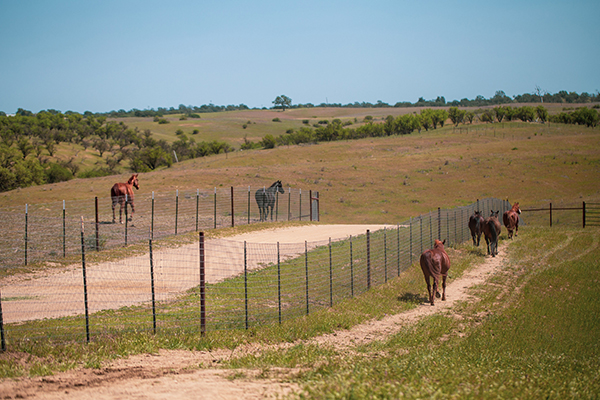
Are the organization's rules, restrictions and warnings (signage) conspicuously posted in easily accessible locations? Yes
Are the organization's emergency contacts, including veterinarian contact information, conspicuously posted in easily accessible locations? Yes
Are human and equine first aid kits easily accessible? Yes
Regarding all shelters where horses are housed including run-in sheds:
How many hours per day, on average, are horses stalled or penned where they are restricted from roaming freely? 13-16
Do horses have individually assigned stalls in the barn/structure(s) or individually assigned shelter locations where they are separated from other horses with a barrier? Yes
How often are the stalls/shelters cleaned? 6-7 Days a Week
Do all stalls/shelters allow horses to lie down, stand up and turn around and provide protection from inclement weather (wind, sleet, rain, snow and extreme temperatures)? Yes
Are stalls/shelters kept in good repair, with adequate ceiling height, and free of standing water, accumulated waste, sharp objects and debris? Yes
Are floors constructed and maintained for both good drainage and traction? Yes
Is there a ventilation and circulation system, or natural ventilation, in place to allow free flow of air to control temperature, and humidity, and to prevent air stagnation? Yes
Is wiring inaccessible to horses and maintained for safety in all areas of facility? Yes
Are fire prevention/protection measures (fire alarms, extinguishers and sprinkler systems) maintained and in good working order? Yes
Is there adequate lighting to ensure safety in all areas of facility? Yes
The following steps are taken to help staff and volunteers readily identify each horse on the property:
Equines are assigned the same exclusive stall/shelter location each day
Name plates are located on the stall/shelter location
A map/diagram is posted showing the location of each equine with equine names and photos
Equine photos and profiles are available on the website
Staff and volunteers are provided with an information packet with equine profiles, including photos and detailed descriptions
Staff/volunteers are provided training on conformation, markings, colors, and breeds
Team leaders work with new staff/volunteers until they are able to identify the equines
Not Checked:
Photos are located on the stall/shelter location
Equines wear halters with nametags
A notebook or binder with photos and information on each equine is easily accessible
Photos are located on the stall/shelter location
Equines wear halters with nametags
A notebook or binder with photos and information on each equine is easily accessible
The following describes the pastures at this facility:
This facility has a written plan in place for pasture management, such as guidelines for seeding, fertilizing, irrigation, mowing, dragging, harrowing, manure removal, removal of debris, the control of poisonous plants, and a schedule for cleaning
All pastures are fenced to prevent escape or injury
Fencing checks, such as broken or missing planks, loose fence posts, exposed or loose nails, detached wires, etc., are done regularly
Pastures have natural protection for equines (i.e., trees)
Pastures have man-made protection for equines (i.e., shelters)
Not Checked:
This facility does not have pastures where equines can graze on pasture grass
A dedicated staff person(s) is responsible for pasture management
Barbed wire is used for fencing
Electric fencing is used; electric wires or tape fence are visibly marked
Pastures are rotated
This facility does not have pastures where equines can graze on pasture grass
A dedicated staff person(s) is responsible for pasture management
Barbed wire is used for fencing
Electric fencing is used; electric wires or tape fence are visibly marked
Pastures are rotated
The following describes the turnout areas other than pastures at this facility:
This facility has a written plan in place for the maintenance of turnout areas, which includes a schedule for cleaning, manure removal, and dragging
All turnout areas are fenced to prevent escape or injury
Turnout areas have man-made protection for equines (i.e., shelters)
Fencing checks, such as broken or missing planks, loose fence posts, exposed or loose nails, detached wires, etc., are done regularly
Not Checked:
This facility does not have turnout areas
A dedicated staff person(s) is responsible for the maintenance of turnout areas
Barbed wire is used for fencing
Electric fencing is used; electric wires or tape fence are visibly marked
This facility does not have turnout areas
A dedicated staff person(s) is responsible for the maintenance of turnout areas
Barbed wire is used for fencing
Electric fencing is used; electric wires or tape fence are visibly marked
The following policies and procedures are in place at the facility to restrict public access and to keep horses safe:
The property owner, staff member or caretaker lives on the premises and ensures that public access is restricted and is responsible for the security of the facility and equines
By Appointment Only signs are posted.
Hold Harmless signs are posted
Authorized Personnel Only signs are posted
Entrance gates are locked at night
Visitors are only permitted at specific times
Visitors are only permitted in specific areas
The property is fitted with a security system monitored by police or a professional service
The perimeter of the property is fully fenced
Not Checked:
A security guard is present at night
No Trespassing signs are posted
The property is fitted with motion lights
The property is fitted with a security system that is monitored internally by staff (or the property owner)
A security guard is present at night
No Trespassing signs are posted
The property is fitted with motion lights
The property is fitted with a security system that is monitored internally by staff (or the property owner)
Equine Care/Emergency Preparedness: Redwings Horse Sanctuary (*Main) 2026 and 2025 This section is required.
Horse Health Care/Barn Management Records: What system is used to collect and store health/horse care records?
Notebook or equivalent (technology not utilized)
Onsite computer with onsite backup storage system
Onsite computer with cloud-based backup storage system
Not Checked:
The following items are consistent with our feed management plan and practices: The organization takes into consideration the equine's age, breed/type, condition, size, work level and any health issues in designing each equine’s individualized feeding plan including adequate natural forage and consults with the veterinarian as needed.
The organization determines supplement plans in consultation with a veterinarian
Staff and/or volunteers are trained in proper feed measurements and protocols and observed periodically to ensure they are feeding correctly
The feed chart is centrally located and updated as needed
The area(s) where hay, feed, grain, and supplements are stored are kept clean, free of debris and chemicals, and protected from weather and other animals in rodent-proof and mold-proof containers and grain bins
Feed, supplements and hay types are clearly labeled
Water sources, i.e., buckets, troughs, automatic waterers, etc. are kept clean, free of contaminants, debris and chemicals, protected from weather and other animals, and be positioned or affixed to minimize spillage.
Medications are kept in a secure area
Not Checked:
Is clean, potable water available at all times for all equines? Yes
Hoof Care: How often is hoof care provided for each equine? Every 4-8 weeks and when an issue arises
Dental Care: How often is dental care provided for each equine? Annually and when an issue arises
Horse checks: How often are equines visually and physically checked by personnel at the facility? Every day or 6 days a week
Our organization has the following parasite and fly/insect control protocols in place, including remedies used to control flies and insects:
Our organization follows the parasite control guidelines of our veterinarian, including fecal testing and de-worming
Fly/Insect Control Remedies:
Fly parasites
Fly Traps and Tapes
Fly Spray Repellent
Fly Masks
Fly Sheets
Not Checked:
The following represent the biosecurity practices in place at facility:
Our organization follows the biosecurity guidelines of our veterinarian
Sick, affected and/or quarantined equines do not have contact with other equines or other animals
The organization has a written biosecurity plan
Staff and/or volunteers are trained in accordance with the General Biosecurity Guidelines of the American Association of Equine Practitioners (AAEP) and/or their veterinarian
Restricted access signs are posted at primary points of access to sick, affected and/or quarantined equines
Hand sanitizers are available at all primary points of access to sick, affected and/or quarantined equines
Footbaths are available at all primary points of access to sick, affected and/or quarantined equines
Manure and bedding from sick, affected and/or quarantined equines is removed from the facility - not put in open air piles or spread on pastures
Quarantine areas, such as stalls, aisle ways, and paddocks, are cleaned (and needed, disinfected) after conclusion of the quarantine.
Trailers/vans used by sick, affected and/or quarantined equines are cleaned and disinfected after each use and cleaning takes place away from where equines are sheltered
Equipment used by sick, affected and/or quarantined equines is not shared and is cleaned of organic debris and disinfected after each use
Latex gloves, or equivalent gloves, are worn when working with sick, affected and/or quarantined equines
Not Checked:
Equines are not quarantined on arrival.
Equines are not quarantined on arrival.
Additional information on biosecurity:
All new equines are quarantined for 21 days and must have a veterinary exam before leaving quarantine.
The following represent the manure removal practices in place at facility:
Manure is piled in an area which is a safe distance from equines and from where equines are sheltered
Manure is hauled, sold or given away
Manure piles are composted or spread on pastures
Our organization adheres to the manure management guidelines set by the state, local authorities, and/or our organization's veterinarian
Not Checked:
Manure is stored in dumpster(s) which is a safe distance from equines and from where equines are sheltered
Manure piles are covered
Manure is stored in dumpster(s) which is a safe distance from equines and from where equines are sheltered
Manure piles are covered
Our organization has the following policies and procedures in place pertaining to tack, apparel and equipment:
Saddles are shared
Bridles are shared
Bits are shared
Blankets, sheets and turn out apparel are fitted and utilized for each equine appropriate to the equine's needs and the weather conditions
Blankets, sheets and turn out apparel are cleaned regularly as needed
Halters are shared
Riding Tack is always cleaned at least weekly
Riding Tack is inspected for overall working condition before each use by trained personnel
Riding Tack is assessed for fit before each use by trained personnel
Riding Tack is assessed for fit by trained personnel when an equine's body condition changes
Riding Tack is assessed for fit by trained personnel when an equine's disposition changes
Helmets are cleaned/disinfected after each use
Helmets are replaced after a fall
Helmets are replaced at least every five years.
Not Checked:
All equines have specifically assigned apparel, equipment and tack (saddles/bridles if ridden) that is not shared
Saddle pads are shared
Blankets are shared
Sheets are shared
Turnout apparel is shared
Riding Tack is always cleaned after each use
Riding Tack is cleaned only when needed
This facility enlists the services of a professional saddle fitter at least once a year
Assigned riding tack is clearly labeled
Helmets are shared
No equines are ridden; saddles, bridles, etc. not applicable.
Emergency Preparedness: Redwings Horse Sanctuary: *Main This section is required.
The following plans, policies, and procedures are in place at the facility to handle emergencies and address weather related issues, fire safety procedures, and/or any additional hazardous scenarios the facility could potentially experience:
The facility owns or has access to a generator
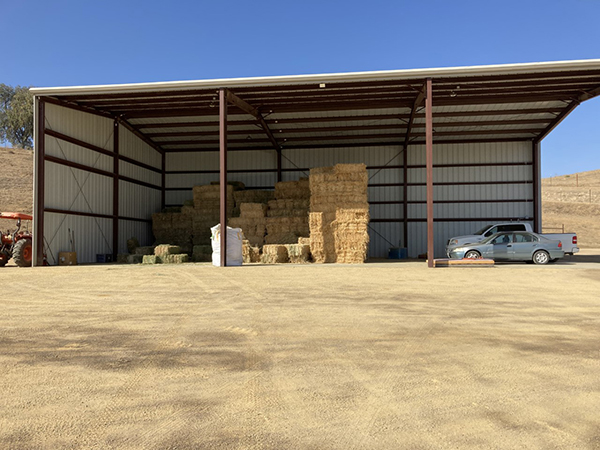
The facility maintains at least two weeks of hay, feed, shavings and medications
The organization has a written emergency preparedness/safety plan (EPP)
Not Checked:
The written EPP addresses the following areas: Local fire department and/or the state's emergency planning department procedures
Medical emergencies for clients, staff, and volunteers
Medical emergencies for equines
Human and Equine Evacuation plans
Fire
Natural Disasters - thunderstorm, hurricanes, earthquakes, tornados, etc
Protocols to notify emergency personnel
Building/facility exit plans
Not Checked:
Power outages
Active Shooter and/or Terrorist attacks
Power outages
Active Shooter and/or Terrorist attacks
The facility follows the specific procedures to help PREVENT emergency situations:
Smoking is strictly prohibited unless confined to designated areas.
Hay is stored away from permanent or temporary structures where equines are stalled
Permanent or temporary structures where equines are stalled are kept free of trash, cleaning rags, and other flammable items
Not Checked:
NO SMOKING signs are posted prominently
Aisles and doorways are kept clear
Heaters with automatic shutoff settings are used
NO SMOKING signs are posted prominently
Aisles and doorways are kept clear
Heaters with automatic shutoff settings are used
How often are the following checked or performed to ensure applicable working condition?
Fire Extinguishers are checked: Annually
Smoke detectors are checked: Annually
Fence lines are checked: Daily
Turnout Areas are checked: Daily
Sprinkler systems are checked: Annually
Fire drills are conducted: Annually
Review of safety protocols with staff are conducted: Quarterly
Review of safety protocols with volunteers are conducted: Annually
The Emergency Preparedness Plan is reviewed and updated: Semi-annually
Functioning Equine Transportation: Onsite: 3 (Owned 3 +Access 0) + Offsite: 4 = Total: 7