Based on current demographic and economic trends in the United States, the long-term future and welfare of horses could be in jeopardy. Public access and involvement with horses, and education about horses, especially among young people, is declining. The expense and time required for competition is becoming unrealistic for most people.
326 million
Population of the United States
84%
294 million of the U.S. population live
in cities of 50,000 or more
.006%
2 million of the U.S. population
owns horses
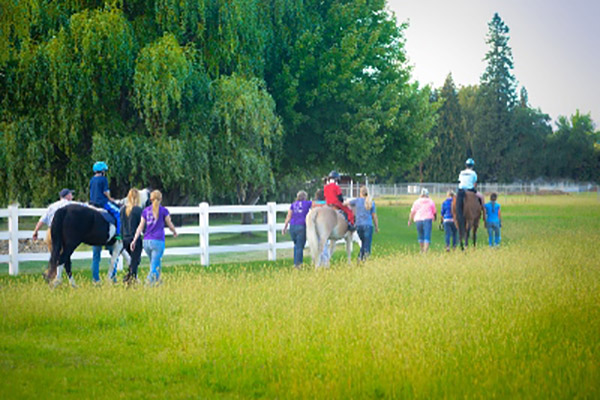
An updated human-horse model, based on different collaborative relationships between horses and humans, offers a more realistic plan for access to horses by people unable to experience the magic of horses through the traditional means of ownership and competition. Equine Assisted Services (EAS) offer one of the the best models of a modern human-horse interaction, with horses helping humans in new innovative ways. EAS refers to various services in which credentialed professionals incorporate horses and other equines to improve the well-being of people. Three areas of EAS have been identified: Therapy, Learning and Horsemanship. These services are further defined in the EQUUS Foundation
Guidelines for Conducting Equine-Assisted Services. This type of human-animal experience may be more appealing, and certainly more realistic, for many of today's urban and suburban youth.



connect
Instagram
Facebook
X